Sunday, 27 January 2013

My Film Opening Idea

I have a few ideas for a Thriller opening and the way some shots can be set up.


I want to start it off by fading into a dark alleyway  following a person whose carrying their shopping, the bags are rustling and that's all you hear at first, then the camera changes to a CCTV view from above, you still don't see the persons face as they are walking away from the camera, the titles will be running in a conventional order along the bottom.Then we will have close ups of the shopping bags moving as they walk and rustling. We will then have a shot in front of the person and we will see a dark figure lurk behind, we will then cut back to CCTV and show the dark figure catching up to the person, getting really close, then cut to an over the shoulder shot of the lurker right behind the victim, the camera will move in the same rhythm as the lurker to show their significance.

We will see a close up of the lurker lift something, that looks like a pole above the victims head and then whack it down, the screen will go black just before impact and all you'll hear is a thud and the noise of the shopping bags fall to the ground and groceries rolling on the floor in panic.

The some eerie music will start to softly play as the camera shows a close up of the disturbed shopping bags and shopping on the floor, then a dramatic close up of the victims face and blood on the floor and their eyes open piercing into the camera lens, then the screen will go black again and the title of the film will appear unconventionally and the film will start.

Research | Audiences

When producing a film you have to look at the different audiences you can create your content to appeal to.

I'm looking particularly at Thriller films.This is quite a hard genre to pin down on one kind of audience because it really depends on the sub-genre of the film. If you're going for thriller/horror we're aiming more at teens and young adults, but if you're going for fantasy/thriller such as twilight and harry potter the audiences age will be lower.

However, in the general respect of a Thriller I would say we're aiming at people aged 16-25, this is because we've based our film on others such as Seven and Collaterol which have similar target audiences, therefore we know what works and what doesn't.

Wednesday, 23 January 2013

Learnings

Ella:

"I have learnt about the importance of close up shots, how you can never have too many as they are vital for filming. I also played around in editing and sound programs therefore i have a wider understanding of how to edit the clips the way i want and how to add sounds within it."


Ellie:

"I will take away some incredible memories from this unforgettable journey of making a film opening in media. Not only have i learnt the importance of not laughing when filming, but the confirmation of editing and the importance of closing gaps, fixing glitches, and rendering. Futhermore the taking of stills, showing behind the scenes and being a team player has forever changed the way i approach these kinds of tasks."

Melissa:

This task has taught me many things about the making of film openings. For example the types of shots used are very important; 
close up's and extreme close ups are vital when creating atmosphere and also provides a healthy variety of shots. Initially we 
neglected this but were prompted by our teacher to include more which made our finished product look and feel more professional. 
The close up used to display the exchange the drugs with the money was essential as these two props were significant to our story-
line which was based around a drug exchange. This task has undeniably taught me and my team mates about the effect different 
types of shots can have on the finished product. 


Final Preliminary Video


This is our final edited video for the preliminary project, we added sound and titles to the clips we filmed and planned. During the editing we had a few issues but quickly sorted it out and got it done. Victoria wasn't present for some of the editing process however she did co-assist and take behind the scenes footage.

Preliminary Storyboard


Our professional storyboards. This shows our long and winding journey through this trip. We've stuck together and we will never look back.


Stills from our professional film

A girl in my class professionally placing a camera on a table. 

A girl in my class professionally looking at the tripod.

A girl in my class waiting to act in our professional film. Notice the threatening posture.

Our group discussing current political problems with the economy.

Looking through our eyes

The star of the film waiting to be filmed whilst the fellow team mate professionally gets the camera set up.

Our professional resources

Holding the camera in a safe manner. Safety with the equipment always comes first

Having a heated debate on our professional film. Teamwork is a number one. We stick together, even when we argue, which is never btw

Our colourful professional keyboard. It has never let us down, and we will never let it down.

Sunday, 20 January 2013

Conventions of Title Sequence #2

Goldeneye
Most film openings follow a typical contents. Some may be discrete, black & white or other.
In the case of Goldeneye, they follow the typical conventions of a James Bond opening title sequence. The names are discrete whilst being put against an animated screen that fits the theme of that film, in this case Goldeneye

The opening titles start with the films producer, then move onto the the main character, in this case, James Bond (Pierce Brosnan). They both start in the barrel of a gun, opening the theme of Bond with the signature path of classy violence.


The bullet shoots from the gun, introducing the author that the film is based on, Ian Flemming. It then moves onto the title of the film. Goldeneye.
 After the title, the other relevant names appear. As they're on their own they're important in the film, especially Sean Bean who appears first with 'Starring' above his name. Then the less important people start appearing in their big block of names. Against the names are the other main themes of James Bond, weird looking hammers, maybe a duck and strangely positioned women. All very strange to reflect the film.
After the names of the cast, the crew's names appear, some individually and some in big blocks. Again, against really weird screen animations; long poles, flags and statues. Very strange.
The final names for the opening titles are the producers and the director.

The Complete Order

  1. Producer
  2. James Bond (Main Character)
  3. Author
  4. Film Title
  5. Main Cast
  6. Other Cast
  7. Crew (Assisant director/Camera operator ect.)
  8. Main Title design
  9. Stunt Co ordinator
  10. Casting
  11. Special Effects supervisor
  12. Miniature Effects Supervisor
  13. More Crew
  14. Editor
  15. Director of Photography
  16. Production Designer
  17. Music By
  18. Goldeneye (song) By
  19. Executive Producer
  20. Screenplay By
  21. Story By
  22. Directed By


Conventions of a Title Sequence

Spiderman 2

Most film openings follow a typical contents. Some may be discrete, black & white or other.
In the case of Spiderman 2, they follow the typical conventions of Marvel by having their own time on screen in a discrete manner, dwarfed by the artistic style of  the comic theme.

The opening to the titles start with the producers. Columbia first as they're a big company, then the smaller producers, Marvel & Laura Ziskin.
It then moves onto the names of the cast. The biggest stars appear first. In this case, the main character Tobey Maguire, Kirsten Dunst & James Franco.

Throughout the names, the Marvel style comic theme appears as a continuous theme. This bringing in the key audience for the film as it is something they familiarize with and sticking to the roots of Spider-man.

The smaller names appear in groups. This shows they are less important as they're all grouped together, further along in the titles, but important enough to even be on there.
Finally the other names finish off the sequence,  Visual effects, Film Editor, Screenplay and Director.

The Complete Order

  1. Producers
  2. Title
  3. Main Cast
  4. Less Important People
  5. Casting By
  6. Music By
  7. Costume Designers
  8. Visual Effects
  9. Film Editor
  10. Production Designer
  11. Director of Photography
  12. Co-Producer
  13. Executive Producers
  14. Executive Producer
  15. Produced By
  16. Based on the Novel by
  17. Screen Story by
  18. Screenplay by
  19. Directed by


Tuesday, 15 January 2013

Afterschool

Independent film "Afterschool" Starring "We need to talk about Kevin." Lead Ezra Miller is quite 
strange as it doesn't follow the conventions of atitle sequence at all. It doesn't mention Actors, 
director, producers at all and doesn't contain an Ident at the start. 
It's simply made up the title of the film accompanied with the crying and screaming of two teenage
 girls in the background with is relevant later on through the film and goes on to show homemade/
internet videos starting with him as a baby where he appears to be cheerful leading into more graphic 
and violent video's and ending with a pornographic video.
It's lack of tradition gives the film an edge to it
 which creates a great deal of tension. 
It is a rather brave move however it does seem 
to be effective. It does however follow the typical
 white text on black background which is a common
conventions of a thriller film.


 Wikipedia info.

Directed by Antonio Campos          
Produced by T. Shawn Durkin
Josh Mond
Written by Antonio Campos
Starring Ezra Miller
Addison Timlin
Jeremy Allen White
Michael Stuhlbarg
Music by Jody Lee Lipes
Cinematography Antonio Campos
Editing by Randi Glass
Susan Shopmaker
Studio BorderLine Films
Distributed by IFC Films


The Stepfather

Another Screen Gems films, follows conventional order of titles. 
However they aren't as clear as they should be which is relevant to 
the films narrative, the titles are hidden and pass through quite quickly 
on the screen (the default timing for titles are usually three seconds.) 
This is used to reflect on David the main
Different coloured eyes imply split personality in David/ Two sides to the character.
 character. 
 
Production Company ident
Production Company/ies
Title
Cast list -Major characters
Cast list -Minor characters
Casting
Costume designer
Music supervisor
Music
Editor
Production designer
Director of photography
Executive producers
Location
Producer/s
Based on screenplay
Screenplay by
Directed by
 
Overall the thought the film was good with an effective opening. 
A number of sound bridges are used in order to link David to the crime being 
described which is an attempt for dramatic irony. This can be exciting for the 
audience as they believe they have the power of knowledge over the characters.


Research | Title Sequences

For an opening the conventional order for the title sequences would be:


Ident
Film Title
Starring
Casting by
Costume Design
Music/Music Supervision
Production Design
Director of Photography
Produced by
Written by
Director


For 'Memento' the order was:


- IDENT: Production Company: New Market
- Distribution Company
- Production Company 2
- Director
- Important Cast Names
- Film Title
- More Cast
- Casting by
- Music by
- Costume Designer
- Editing by
- Product Designer
- Director of Photography
- Co-producer- Co-executive producer
- Executive producer
- Producers
- Screenplay by/Based on Story
- Director

The order of names is due to contracts and importance, if someone has value potential for the film, e.g. A production company or famous actor/actress, then they will be placed near the front to grab people's attention.

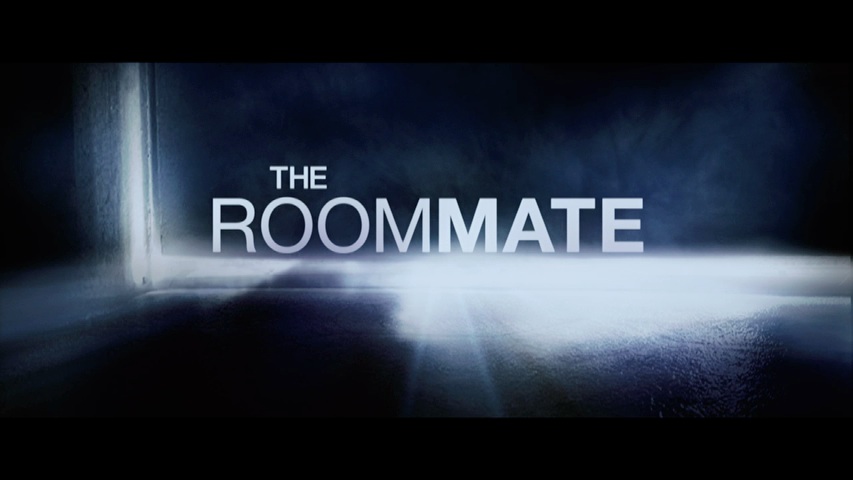
The titles can differ in order, this is shown by the opening for 'The Roommate' which is similar to 'Memento' except it has a few changes.


- IDENT: Production Company: Screen Gems
Production Company 2: Vertigo Ent.
- Film Title
- Cast Names
- Casting By
- Costume Design
- Music Supervision
- Music By
- Editor
- Production Designer
- Director of Photography
- Executive Producers
- Producers
- Written By
- Directed By

This change isn't very significant, but shows that this film doesn't have big name stars in it and hasn't got as many people working on it, therefore its a lower film.

Research | 2 Film Openings

I watched the film openings from 21 Jump Street and Hellboy II

21 Jump Street is an action comedy. The type of film opening is Stylized because the text moves with the shots and is heavily edited.
The sound is very up beat and jump which goes with the actions being shown and gives it a nice lively feel
The editing is quick and jumpy, the shots are short and fast which creates a fast paced feel to go with the genre of action.
Mise en Scene is very broad as there's lots to see, it shows parts of the movie everywhere and little extra bits to get you wondering what its about and if you'll see what happens next.
The camerawork changes dramatically throughout, all the shots are different and its very all over the place, it's quite a messy opening which has a lot going on in it.

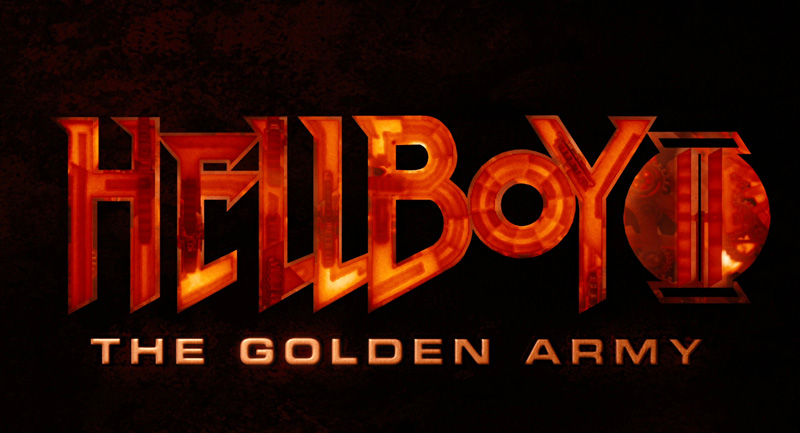
Hellboy II was very different, as it was also a comedy but it is a thriller too. It has a very very stylized opening. This is apparent with all the CGI and edited intro without many actual scenes or shots.
The orchestral sound was very intense and full on which differs from 21 Jump Street a lot and makes you aware of the fact this film is a thriller.
The mise en scene showed lots of cogs and symbols which made up the title 'Hellboy' unlike in 21 Jump Street where the title didn't come up. Everything was dark and had red glows which was very ominous and creepy. Editing was smooth and there weren't that many cuts, it was all one long journey that you followed. The camerawork was all pans and moving with the scene which was effective and forced you to look in places you didnt want to which made it quite scary and nerve-wrecking.


Research | Stroke


This previous students film opening caught my eye due to its simplicity yet effective feel.
Firstly, the sound being used was very eerie and intense, the harsh violin tones over a softer synth was extremely effective as it kept you alert and connoted a sense of danger and sudden horror. Also, the difference in sound as the title of the film came up really focused your attention on it. The only actual sound apart from the music that you hear is the tapping on the glass, this highlights that what they person is doing is important.


Secondly, mise en scene is the most important here because you get glimpses of red paint that connotes danger and blood and then shots of a paintbrush and a persons expression, this is good as it tells you little about the story and creates enigmas making you want to watch more. Editing and camerawork were vital as the pan's of the artwork allowed you to scope the room and see what's going on but not give away anything too important  also the match cuts from the water to the paintbrush paining were effective because it shows the action and makes you feel like you're there watching them.
 

Sunday, 13 January 2013

Title Sequence Analysis

Majority of films varying in genre use a set title sequence order starting with the ident, 
production company/ies and ending with names of producers/director etc. 
For example "The Roomate." Follows the conventions of a typical tile sequence; 
the font is clear, legible and plain and the title of the film is introduced at the start. 
Some films include the names of the distribution company however this depends on how much
money they have invested in the making 
of the film. 
 
The order is..
 
Production Company ident -Screen Gems.
Production company names -Screen Gems, 
Vertigo entertainment.
Title -"The Roomate."
Cast list -Big names.
Cast list -Minor names. 
(Often share the screenwith other names.)
Casting
Costume Design, 
Music supervision, 
editing, 
Production designer 
Director of photography
Executive producers 
Written by/ Screenplay by
Directed by. 

Saturday, 12 January 2013

Title Sequence Analysis

The opening title sequences for movies are usually in the same order and for any genre, however sometimes the order of names is arbitrary. The order in which titles come up is all due to the budget and negotiation between the directors, cast and production companies.


'Below the line' crew titles will always run at the end of the movie while 'Above the line' crews will always be at the opening credits. Their positions are held high in regard and are single handedly accountable for the production success.

The important cast names are always in the beginning of the opening title sequence, therefore they appear on their own while other actors may share the same screen space in the titles, as their role is smaller, such as in The Roomate with Nina Dobrev and Matt Lanter.

In The Roomate however, it is interesting as to why the main character Minka Kelly (playing Sarah Matthews) appears second in the titles, with Leighton Meester (playing Rebecca Evans) shows up first. I believe it is no coincidence as Leighton Meester is a more known actress who played a big part in the well known Gossip Girl series in comparison to Minka Kelly, who isn't as well known. 


The Taking of Pelham 123 movie differentiates regarding the title sequence with The Roomate but only briefly in the order such as the title of the movie is shown much later into the opening and that there are more cast names shown shared in the frames.


Also instead of 'Written by' near the conclusion of the opening, 'Film by' is shown in the beginning. The words 'Film by' immediately alienates all other collaborators/contributors to the movie, placing Tony Scott in a superior/higher image regarding the making of the movie.


The order that is followed but sometimes with slight alterations
  • Name of the Studio i.e. Universal, Columbia, Walt Disney etc.
  • Name of Production Company
  • Film Title
  • Starring
  • Casting by
  • Costume Design
  • Music/Music Supervision/Composed by
  • Production Design
  • Director of Photography
  • Producer/Executive Producer/Co-Producers
  • Produced by
  • Written by
  • Directed by


Art of the title

Adromeda strain- more focused on the idea of typography,text used in a pictorial 
sense. Maps and No music is used but is replaced with strange and distorted buzzing
and beeping sounds used to create suspense . White text is used on a black back-
ground; traditional thriller technique. Reds are used which signify passion, 
blood or danger.
 
Dream catcher: Again white text on black background but this title sequence is made
up of three colours, Blue, black and white so give a cold effect as this colours
are linked with ice and snow. Slow paced editing (similar between both Sequences.) 
Creepy music is used to create tension,Follows order. Except Director is mentioned 

last. Special FX are made up of blurred effects mostly in images.
And a ripple when the word "Dreamcatcher." came up.

We need to talk about kevin

Conventions: Traditional colours; Red, white and black. 
Overuse of red and white to link innocence murder and blood spill together. 
Gives good contrast and is relevant to storyline as a woman's son murdered the whole 
of his class in the school sports hall.
 
Ever so slight example of Intertextuality- "Phsyco" sound of running water. 
Shows hand.
 
Ending credits are styled in a mirror effect, could be linked to either contrasting

pairs "Good and evil." Or the idea of split personalities.
Doesn't follow traditional opening style; doesn't mention director or leading 
actors and doesn't have music, the opening consists of a continuous 'clicking' sound.
Which in an abstract way does create tension and a weird feel to the film which is 
different but effective.  
Opening is vague displaying really the IDENT and the title.


Tuesday, 8 January 2013

Research Homework 2


The Stepfather


This movie had all the necessary conventions a thriller movie should have.

The opening was discrete as the titles appeared during the first scenes of the movie, which are also barely visible if the viewer isn't paying enough attention. 

The storyline is engaging and keeps the audience interested from the beginning, due to the ordinariness which at the same time is contradicted by the eerie/almost creepy melody, making the main character look suspicious.

The shot in which suspense and shock comes in
Bomb theory was used through out the movie to keep the audience hooked and weary as they knew  the main character had something up his sleeve, but no idea when he'd take action.


Intertextuality was used near the ending as the knife and shower curtain was included, which had been seen before in Psycho, Fatal Attraction and numerous other thriller movies, which now also includes The Stepfather. 

The shower curtain is ripped down, and the character drops into the bath, once again very similar to Psycho.

Monday, 7 January 2013

Christmas Holidays Thriller Film


The Impossible

It followed the main conventions of a thriller film;

  1. Based on a real life situation: The 2004 Boxing Day tsunami 
  2. Portrayed a journeys of characters development: A British family caught in the center of it all
  3. A dramatic story line that brings the audience in emotionally: A split family trying to find each other amidst the wreckage 

In this section of the film, its opening up the storyline. A family leave for christmas and travel to Thailand. Unaware of anything wrong, they spend the first few days relaxing, as the audience know whats about to happen, the tension is really big as we're waiting for the moment.


This is the point where the action happens. We see the tsunami hit and all calm is gone. The visuals are really amazing, and it looks really real.


At this point the tsunami has hit and its all pretty downhill from here. 

Without saying too much or giving spoilers, the film was amazing, and followed the main conventions, as listed above, of a thriller along with drama and action. 


The film was also part of the Toronto Film Festival Official Selection.